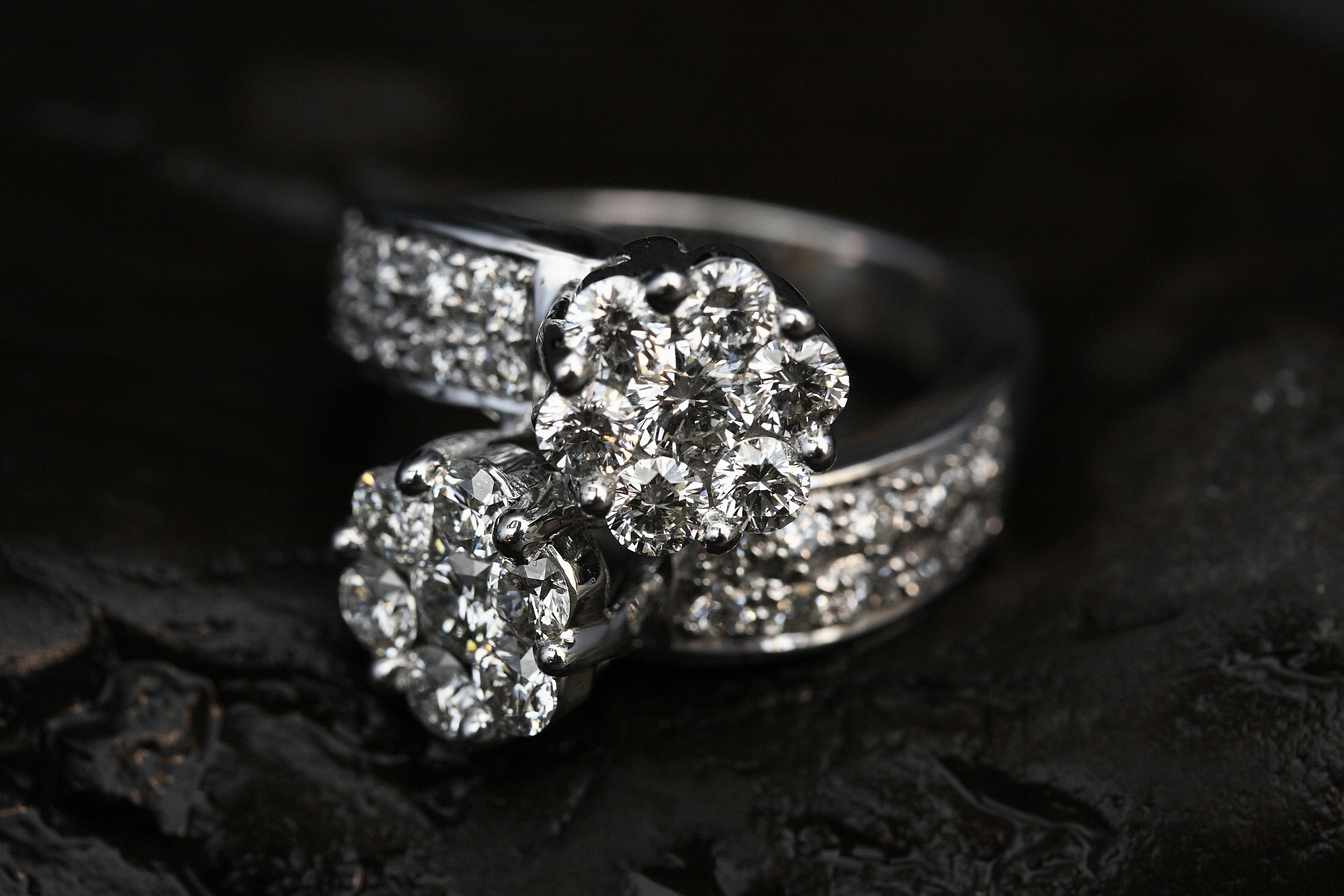
The journey to finding the perfect diamond ring is one of life’s most exciting milestones, but it often begins with a pressing question: “How much should a carat diamond ring cost?” The truth is, the price of a diamond ring is anything but straightforward. A one-carat ring can range from a few thousand dollars to well over $20,000, and understanding this vast spectrum can feel overwhelming.
In the current market, diamond prices are more dynamic than ever. While global diamond values have seen a decline over the past five years due to the rise of lab-grown diamonds and shifting demand , other factors like geopolitical events and tariffs are causing fluctuations in retail prices . Simultaneously, the price of gold, a primary component of the ring setting, has reached historic highs .
This guide is designed to demystify the cost of a carat diamond ring. We will break down the key factors influencing price, provide a realistic price guide, explore the best places to buy, and discuss the crucial aspects of insurance and investment. By the end, you’ll be equipped with the knowledge to make a confident and informed decision that balances beauty, quality, and budget.
Diamond Ring Price Guide
To give you a practical starting point, here is a general price guide for diamond rings in 2026. Keep in mind that these are estimates for natural diamonds in a simple solitaire setting. Prices can vary significantly based on the specific quality of the diamond and the complexity of the ring design.
| Diamond Size (Carat) | Quality/Setting | Budget-Friendly | Mid-Range | Premium/Luxury |
|---|---|---|---|---|
| 0.50 Carat | SI1 Clarity, G-H Color, 14K Gold | $1,500 – $3,000 | $3,000 – $5,000 | $5,000+ |
| 1.00 Carat | VS1-SI1 Clarity, G-H Color, 14K/18K Gold | $4,000 – $7,000 | $7,000 – $12,000 | $12,000 – $20,000+ |
| 1.50 Carat | VS2 Clarity, H Color, Good Cut, 18K Gold | $8,000 – $12,000 | $12,000 – $18,000 | $18,000 – $30,000+ |
| 2.00 Carat | VS2 Clarity, G-H Color, Very Good Cut, Platinum | $15,000 – $22,000 | $22,000 – $35,000 | $35,000 – $60,000+ |
| 3.00+ Carat | VVS2-VS1 Clarity, D-F Color, Excellent Cut | $40,000 – $60,000 | $60,000 – $100,000 | $100,000+ |
Note on Lab-Grown Diamonds: Lab-grown diamonds, which are chemically and optically identical to natural diamonds, typically cost 70-90% less than natural diamonds of comparable size and quality . For instance, a 1-carat lab-grown diamond ring might start around $1,500.
Factors Affecting Price
The price tag on a diamond ring is determined by a combination of the diamond’s characteristics and the materials used to craft the ring itself. Here are the most critical factors :
1. The 4 Cs of Diamond Quality
- Carat (Weight): This is the most obvious factor. As carat weight increases, the price does not just double; it increases exponentially. A 1-carat diamond is significantly more than twice the price of a 0.5-carat diamond of similar quality because larger diamonds are rarer .
- Cut (Sparkle): Most experts consider this the most important C. The cut determines how well a diamond interacts with light, creating brilliance and sparkle. An Excellent or Ideal cut can command a price premium of up to 25% because it maximizes the stone’s beauty .
- Color (Tint): Colorless diamonds (grades D-F) are the rarest and most expensive. However, diamonds in the near-colorless range (G-J) offer excellent value, as they appear bright and white to the untrained eye once set in a ring, but at a significantly lower cost .
- Clarity (Purity): Flawless (FL) diamonds are extremely rare and costly. Most inclusions are microscopic. Choosing a diamond with VS1 (Very Slightly Included) or SI1 (Slightly Included) clarity can reduce the cost by 5% to 20% without sacrificing any visible beauty .
2. The Metal Choice
The price of gold and platinum directly impacts the ring’s total cost.
- Platinum: A premium choice, platinum is 30-40% more expensive than gold due to its density, rarity, and durability .
- Gold (White, Yellow, Rose): 18k gold is purer and more expensive than 14k gold. While gold prices are set by the global market, they have been rising, affecting overall ring costs .
3. Natural vs. Lab-Grown
- Natural Diamonds: Formed over billions of years, their price is driven by rarity and sustained demand, particularly in the luxury market .
- Lab-Grown Diamonds: Created in a matter of weeks, they offer the same look at a fraction of the cost but currently have little to no resale value .
4. Market Dynamics
External factors also play a role. Recent tariffs on imported diamonds and jewelry have led to price increases of 6-10% in the U.S. market, adding another layer of complexity to retail pricing .
Best Places to Buy Diamond Rings
Choosing where to buy your ring is just as important as choosing the diamond itself. Today, buyers have more options than ever, from traditional brick-and-mortar stores to sophisticated online platforms .
| Retailer Type | Pros | Cons |
|---|---|---|
| Online Retailers (e.g., Blue Nile, James Allen) | Extensive inventory, transparent pricing, convenient, often lower overhead costs, 360° diamond views, free shipping and returns . | Cannot see the ring in person before purchase, requires trust in shipping and return policies. |
| Local Jewelers | Personalized service, ability to see and try on rings, custom design services,建立 long-term relationship for maintenance . | Inventory may be limited, prices can be higher due to overhead, expertise varies. |
| Big-Box Retailers | Widely accessible, multiple brand options, frequent sales events. | Often higher markups, sales staff may be commission-based, less specialized knowledge. |
| Diamond District Wholesalers | Potential for lower prices by cutting out middlemen, access to a vast selection of loose diamonds . | Can be intimidating for first-time buyers, requires significant knowledge to negotiate, no after-sales support. |
What to look for in a reputable seller:
- Certified Gemologist Access: Top sites offer access to GIA or IGI-certified gemologists for expert advice .
- Risk-Free Returns: Look for a 30-day money-back guarantee and insured shipping .
- Certification: Always ensure the diamond comes with a grading report from an independent lab like GIA or IGI .
Investment Value of Diamonds
The question of whether a diamond is a good investment is complex and depends heavily on the type of diamond and your perspective.
- Natural Diamonds as a Store of Value: While not as liquid as gold or stocks, high-quality natural diamonds can retain value. However, retail markups mean a new diamond ring can lose 30% to 50% of its value immediately after purchase . The resale market for typical diamonds (under 1.5 carats) is limited. However, investment-grade diamonds (over 2 carats, D-F color, Flawless-VVS clarity) are rare and have historically shown resilience and potential for appreciation . Industry experts project that natural diamond prices could grow by 3-5% annually over the next decade as existing mines are depleted .
- The Gold Comparison: Over the past decade, gold has proven to be a powerful financial asset, nearly quadrupling in price. In contrast, the diamond price index has fallen sharply, pressured by lab-grown diamonds . This divergence highlights that for pure financial investment, gold has been the superior asset.
- Lab-Grown Diamonds: These are not considered an investment. They are purchased for their aesthetic and ethical appeal, but their resale value is negligible and will likely decline further as production costs decrease .
Verdict: View a diamond primarily as a symbol of love and an heirloom, not a short-term financial investment. If long-term value is a priority, focus on rare, high-quality natural diamonds and keep all certification and purchase documentation .
Jewelry Insurance Guide
Once you’ve made your purchase, protecting it is essential. Standard homeowners or renters insurance may not provide adequate coverage for a valuable diamond ring, especially against loss or accidental damage.
How to Insure Your Ring:
- Get a Professional Appraisal: Before insuring your ring, obtain a detailed appraisal from a certified gemologist or jeweler. This document should include a full description of the ring, the 4Cs of the diamond, its current replacement value, and clear photographs . Update this appraisal every few years to account for market fluctuations in metal and diamond prices .
- Choose Your Coverage:
- Add a Rider to Your Homeowners/Contents Policy: This is a common option. You can add the ring as a “scheduled personal property” item. This covers it for its full appraised value against a wider range of risks like accidental loss (e.g., down the drain) and theft away from home .
- Specialized Jewelry Insurance: Companies like Jewelers Mutual specialize in jewelry coverage and often provide broader protection, sometimes with no deductible and coverage for mysterious disappearance.
- Keep Detailed Records: Store your sales receipt, diamond certificate (e.g., GIA report), and appraisal in a safe place (like a safety deposit box or secure cloud storage). Also, keep a close-up photograph of the ring for identification purposes .
What to Look For in a Policy:
- Coverage for “Mysterious Disappearance”: This covers you if you lose the ring and don’t know where or how.
- Worldwide Coverage: Ensures you’re protected while traveling.
- No Deductible Options: Some policies offer coverage with a $0 deductible, which is ideal for a single valuable item.
- Claim Process: Understand how claims are paid—whether by reimbursement, repair, or replacement.
How to Choose Diamond Ring
Selecting the perfect ring is a blend of practical knowledge and emotional intuition. Here’s a step-by-step approach:
1. Decode Her Style
The best rings reflect the wearer’s personality. Pay attention to her everyday jewelry. Does she prefer delicate and minimalist pieces or bold and statement-making designs? What is her fashion sense—classic, modern, bohemian? A ring should complement her lifestyle, not hinder it .
2. Master the 4Cs (But Prioritize Cut)
Understanding the 4Cs is non-negotiable, but remember that cut is king. A well-cut diamond will dazzle even if its clarity or color is not top-tier. Use the 4Cs to find a balance: you can often drop a grade in color (to G or H) or clarity (to SI1) to afford a slightly larger carat weight or a better cut, without any visible difference .
3. Choose the Setting
The setting frames the diamond and defines the ring’s overall look .
- Solitaire: Timeless and elegant, it puts all the focus on the center stone.
- Halo: A circle of smaller diamonds makes the center stone appear larger and adds incredible sparkle.
- Three-Stone: Symbolizes the past, present, and future, offering a vintage and meaningful aesthetic.
- Pavé: The band itself is covered in tiny diamonds, creating a continuous line of sparkle.
4. Match Shape to Personality
The diamond’s shape (not to be confused with cut) adds character .
- Round: For the traditionalist who loves timeless sparkle.
- Princess/Cushion: For the modern woman who appreciates a sleek, sophisticated look.
- Oval/Pear: For the trend-setter who wants a unique, elegant, and finger-elongating shape.
- Emerald/Asscher: For the confident minimalist who values understated glamour and clarity.
5. Set a Realistic Budget
Ignore the old “two months’ salary” rule. Set a budget that feels comfortable for you without causing financial strain. Remember that a meaningful ring is about the thought behind it, not the price tag. Some couples are even choosing beautifully crafted gold bands or alternative stones that hold deep personal meaning for a fraction of the cost .
FAQ Section
Q: Is a 1-carat diamond ring expensive?
A: The cost varies widely. A 1-carat natural diamond ring can range from $4,000 to over $20,000 depending on cut, color, clarity, and setting. A lab-grown diamond of the same size and quality can cost as little as $1,500 .
Q: What is the best clarity for a diamond to get the most value?
A: For the best value, look for diamonds with a clarity grade of VS1, VS2, or SI1. These diamonds have minor inclusions that are usually invisible to the naked eye, offering significant savings over higher clarity grades .
Q: Are diamonds a good investment right now?
A: For most people, no. Diamonds are a better store of emotional value than financial value. While rare, top-quality natural diamonds may hold or increase in value over the long term, the typical diamond ring loses value immediately after purchase due to retail markups. Lab-grown diamonds hold virtually no resale value .
Q: What costs more, platinum or gold?
A: Platinum is significantly more expensive than gold (typically two to three times the price of the same weight) because it is denser, rarer, and more durable. However, 18k gold is more expensive than 14k gold .
Q: How often should I insure my diamond ring?
A: You should insure your ring as soon as you purchase it. It’s also wise to have it re-appraised every 2-3 years to ensure your insurance coverage keeps pace with market changes in the value of gold and diamonds .
Conclusion
Navigating the world of “carat diamond ring cost” is a journey of discovery. While the price tag is influenced by a complex interplay of the 4 Cs, metal choices, and global market trends, your ultimate goal is to find a ring that symbolizes your unique story. Remember that a well-chosen diamond balances quality and beauty within your personal budget.
Whether you prioritize the timeless rarity of a natural diamond, the ethical and affordable appeal of a lab-grown stone, or the meaningful simplicity of a gold band, the “right” choice is the one that feels authentic to you . By arming yourself with the knowledge from this guide—from understanding price factors and knowing where to buy, to protecting your investment with proper insurance—you can move forward with confidence. The perfect ring is out there, waiting to become a cherished part of your love story for generations to come.
Leave a Reply