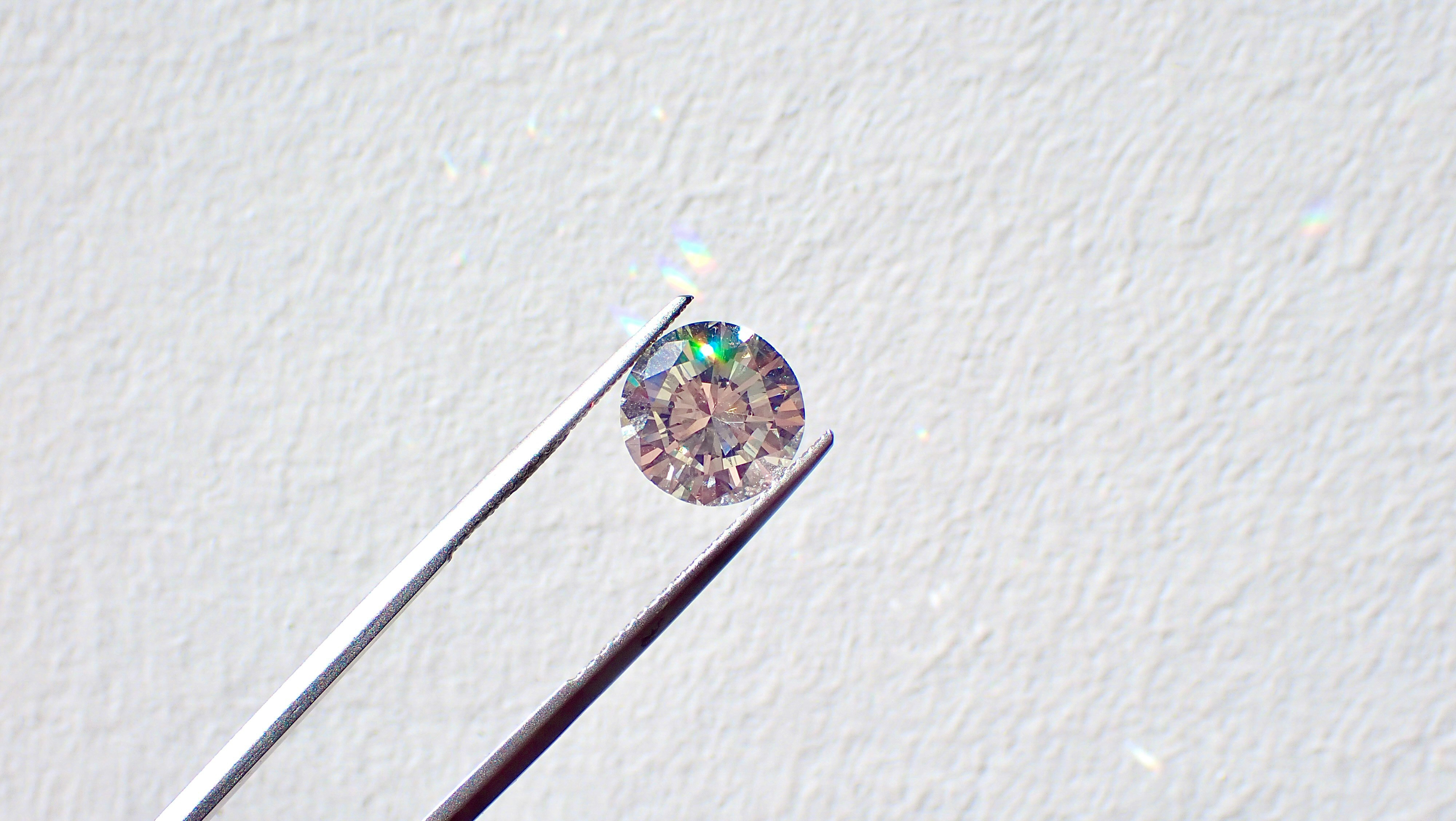
The diamond market in 2026 presents a tale of two gems. With lab-grown diamonds capturing the fashion market and natural diamonds solidifying their position as rare assets, buying an investment grade diamond requires more knowledge than ever. Whether you are searching for a timeless engagement ring or a portfolio diversifier, understanding current pricing, insurance needs, and the best places to buy is crucial. This guide provides a complete overview of investment grade diamonds for sale, helping you navigate the complexities of the 2026 market.
Diamond Ring Price Guide
The price of a diamond ring depends heavily on whether the stone is natural or lab-grown, as well as its size and quality. Below is a price comparison table based on 2026 market data for a standard 1.0-carat, D color, VVS2 clarity, triple excellent cut round diamond—a common benchmark for quality .
| Category | Average Price (USD) | Market Context |
|---|---|---|
| Investment Grade Natural Diamond | $7,050 – $11,540+ | Prices are stabilizing with potential for appreciation due to constrained supply . |
| Standard Natural Diamond (Retail) | ~$7,050 (wholesale基准) | Mainstream natural diamonds face pricing pressure from lab-grown alternatives . |
| Premium Lab-Grown Diamond (Retail) | $320 – $1,025 | High-quality LGDs are now a mature, affordable category for everyday wear . |
| Best Value Lab-Grown (DTC) | ~$305 | Direct-to-consumer models offer wholesale-level sourcing with minimal markup . |
Note on Investment Grade: For a natural diamond to be considered “investment grade,” it typically must be a larger, high-quality stone. The market is currently showing strength in diamonds over 1.20 carats, with significant demand for stones from 4.00 to 5.99 carats with D-G color and VVS clarity or better .
Factors Affecting Price
Several key factors determine the price of a diamond in 2026. Understanding these will help you distinguish between a fashion purchase and a true investment.
- The 4Cs (Cut, Color, Clarity, Carat): This remains the foundation of diamond valuation. For investment grade natural diamonds, the highest grades in all categories are essential. However, market data shows a “bifurcation” where larger stones ( >1.20 ct) are outperforming smaller ones in value retention .
- Provenance and Ethics: Today’s luxury consumer demands transparency. Diamonds with a verifiable, ethical origin—often tracked via blockchain—command a premium. This “ethical imperative” is a significant value driver for natural diamonds in 2026 .
- Market Dynamics (Natural vs. Lab-Grown): The single biggest price factor is the type of diamond. Lab-grown diamonds (LGDs) are a lifestyle and fashion product with prices continuing to decline due to production efficiencies. In contrast, natural diamond prices are supported by constrained supply from mature mines and enduring scarcity .
- Economic Conditions: Global inflation and geopolitical instability can drive investors toward tangible assets like high-quality natural diamonds, which are seen as a hedge against currency devaluation .
Best Places to Buy Diamond Rings
Finding the right seller is just as important as finding the right stone. Your choice depends on whether you are seeking an investment-grade natural diamond or a beautifully crafted lab-grown ring.
- Specialized Online Retailers (e.g., Madison Avenue Diamond): These platforms offer efficiency and value, especially for lab-grown diamonds. They provide direct-to-consumer pricing, IGI or GIA certified stones, and high-resolution imagery. This is often the best place for best value and modern ethical choices .
- Auction Houses and Tender Sales (e.g., Koin International): For rare, investment-grade natural diamonds, rough or polished, specialized auction and tender houses are key sources. These venues cater to industry insiders and serious collectors looking for exceptional stones .
- Major Industry Marketplaces (e.g., RapNet): While primarily for trade professionals, platforms like RapNet offer access to a vast global inventory. They reflect the most current wholesale pricing and are a benchmark for determining a diamond’s market value .
- Gem and Jewelry Shows (e.g., JOGS Tucson): Events like the JOGS Tucson Gem and Jewelry Show provide a unique opportunity to see a vast array of investment-grade gemstones and meet international dealers and artisans in person .
Investment Value of Diamonds
The investment thesis for diamonds has fundamentally changed. The era of expecting broad appreciation across all natural diamonds is over. In 2026, the market is sharply divided.
- Natural Diamonds as “Legacy Assets”: High-quality, rare natural diamonds are increasingly viewed as a store of wealth. Industry forecasts suggest prices for these top-tier stones could rise by up to 15% year-on-year, driven by diminishing supply from major mines and consistent demand from collectors and institutional investors .
- The “Rarity Lane”: Investment potential is now reserved for the “Rarity Lane”—large (over 4 carats), flawless, and historically significant stones. These function as a hard asset in a diversified portfolio .
- Lab-Grown Diamonds Are Not an Investment: Lab-grown diamonds, while offering exceptional beauty and value for their price, are not an investment vehicle. Their prices are subject to ongoing commoditization and are expected to continue their long-term decline. They are best purchased for daily enjoyment and fashion .
Jewelry Insurance Guide
Once you have made your purchase, protecting it is paramount. Standard homeowners’ insurance is often insufficient for valuable jewelry.
- Why Insure? Jewelry insurance protects against loss, theft, and damage. Without a specialized policy, you could be responsible for the full replacement cost of a lost or stolen ring .
- Coverage Options:
- Homeowner’s/Renter’s Insurance Rider: You can add a “rider” or “endorsement” to your existing policy. However, be aware of sub-limits (often $1,500–$2,500) and limited coverage for risks like accidental loss .
- Specialized Jewelry Insurance (e.g., Jewelers Mutual, BriteCo): These standalone policies offer comprehensive coverage, including “mysterious disappearance,” worldwide travel protection, and often have zero deductibles .
- How to Insure:
- Get a Professional Appraisal: Obtain a detailed appraisal from a certified gemologist to document the diamond’s 4Cs and replacement value .
- Choose a Policy: Compare quotes from specialized insurers and your home insurer. Premiums typically cost 1-2% of the jewelry’s appraised value annually .
- Schedule the Item: Submit the appraisal to your insurer to have the item “scheduled” on your policy, ensuring it is covered for its full value .
- Reappraise Regularly: Get high-value pieces reappraised every 3 to 5 years to account for market fluctuations .
How to Choose a Diamond Ring
Whether your focus is on investment potential or everyday beauty, a systematic approach will ensure you make the right choice.
- Define Your Goal: Are you making a financial investment in a rare natural asset, or are you seeking a beautiful, durable, and cost-effective stone for an engagement ring or fashion piece? This is the most important question .
- Prioritize Certification: Always choose a diamond graded by an independent laboratory like the Gemological Institute of America (GIA) or the International Gemological Institute (IGI) . This ensures an objective, unbiased assessment of the stone’s quality .
- Focus on Cut: For maximum brilliance, prioritize cut quality over marginal differences in color or clarity. An excellent cut will make the diamond sparkle more than a slightly higher color grade .
- Evaluate the Seller: Check the seller’s return policy, warranty, and after-sales service. For online purchases, high-resolution 360° imagery is essential to inspect the stone .
FAQ Section
1. Are natural diamonds a good investment in 2026?
Yes, but only for a select category. High-quality, rare natural diamonds (typically >4 carats, D-G color, VVS clarity or better) are considered strong “legacy assets” with potential for appreciation due to their scarcity. The market for common, commercial-grade natural diamonds remains weak .
2. What is the difference between natural and lab-grown diamonds?
They are chemically and optically identical. Natural diamonds are formed deep within the earth over billions of years and are finite. Lab-grown diamonds are created in a laboratory setting over weeks or months and are an abundant, industrial product. Both are graded using the same 4Cs standards by labs like GIA .
3. Are lab-grown diamonds suitable for an engagement ring?
Absolutely. Lab-grown diamonds have the same hardness and durability as natural diamonds, making them perfect for daily wear. They offer an ethical and more affordable way to get a larger, high-quality stone .
4. How much does it cost to insure a diamond ring?
Jewelry insurance typically costs 1-2% of the ring’s appraised value per year. So, insuring a $10,000 ring would cost between $100 and $200 annually .
5. Does my homeowner’s insurance cover my engagement ring?
It may offer limited coverage. Most standard policies have sub-limits for jewelry theft (e.g., $1,500) and do not cover accidental loss. You need a scheduled personal property floater or a standalone jewelry policy for full protection .
Conclusion
The world of investment grade diamonds for sale in 2026 is defined by clarity—both in gem quality and market positioning. For the investor, the path leads to rare, certified natural diamonds with verifiable provenance, purchased as tangible legacy assets. For the consumer seeking beauty, value, and ethical assurance, lab-grown diamonds offer an exceptional and increasingly popular choice.
By understanding the factors affecting price, knowing where to buy, and protecting your purchase with the right insurance, you can make a confident and informed decision. Whether your diamond is a symbol of eternity or a cornerstone of a diversified portfolio, let knowledge be the guide that leads you to the perfect stone.
Leave a Reply